Ripple, Coinbase get license exemption in Singapore for a limited period
Quick Take
- Several crypto firms have been granted an exemption from holding a license in Singapore for a limited period
- These include Singapore entities of Ripple, Coinbase, Binance, Gemini and others

A number of crypto firms, including Ripple, Coinbase and Binance, have been granted an exemption from holding a license in Singapore for a limited period.
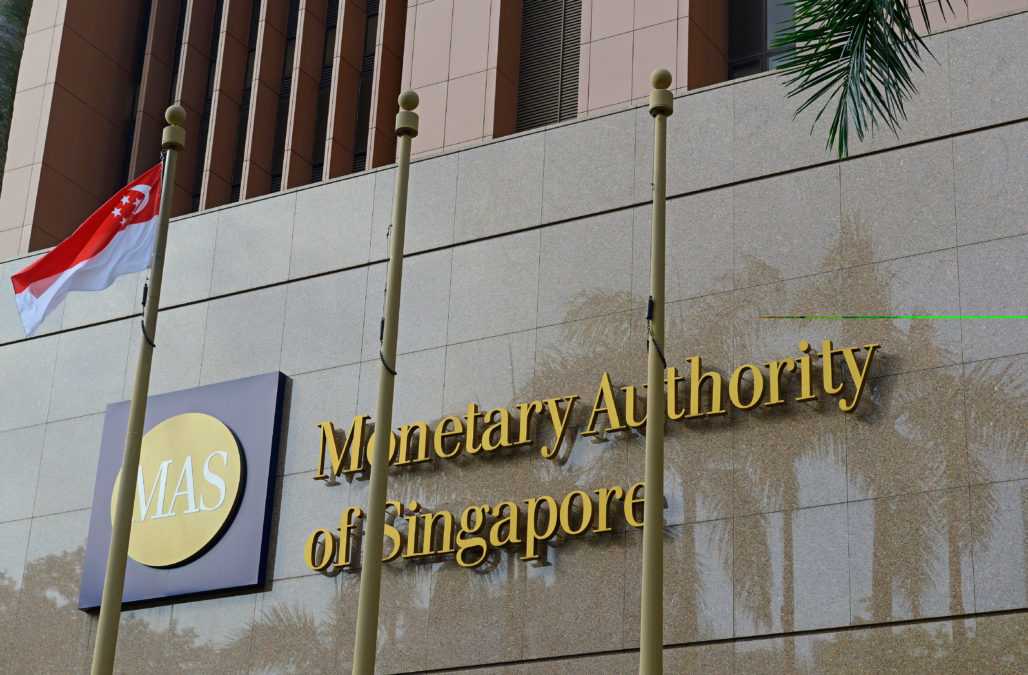
The Monetary Authority of Singapore (MAS) announced the news on Wednesday, saying that Ripple Labs Singapore, Coinbase Singapore, Binance Asia Services and others, can provide specific payment services under exemptions.
All the three firms, for instance, can provide digital payment token services until July 28, 2020. The exemption will cease after the date, as they all are required to submit a licesning application for their services by then.
Other firms, such as BitGo Singapore and Gemini Trust Company, can also provide account issuance service, domestic money transfer service, and inward cross-border money transfer service until Jan. 28, 2021.
“Please note that these entities are not licensed under the PS [Payment Services] Act to provide the specific payment services, but are allowed to continue to provide the specific payment services,” said the regulator.
“The exemption will cease after the specified period,” it added.
Other notable crypto firms that have been granted exemptions include Singapore entities of LedgerX, OKCoin, DRW, Cumberland, GSR and Pundi X, among others.
David Ben Kay, chief legal officer of Pundi X Labs, said: "In compliance with the PS Act, we will be filing our license application to operate account issuance and digital payment token services by 28 July 2020."
Singapore’s Payment Services Act came into effect earlier this year. At the time, MAS said it believes cryptocurrencies carry “significant” money laundering risks due to their anonymous and borderless nature of transactions. Therefore, all crypto businesses are required to be licensed to operate in the country.
There are three classes of licenses under the act – a money-changing license, a standard payment institution, and a major payment institution. “Each service provider needs to hold only one of the three licenses,” MAS said at the time.
© 2025 The Block. All Rights Reserved. This article is provided for informational purposes only. It is not offered or intended to be used as legal, tax, investment, financial, or other advice.