Trump signs stablecoin GENIUS Act, cementing first major crypto framework in US law
Quick Take
- President Trump signed the Guiding and Establishing National Innovation for U.S. Stablecoins, or GENIUS, as it’s more commonly known.
- Excitement bubbled among White House leads and crypto advocates ahead of the bill signing.

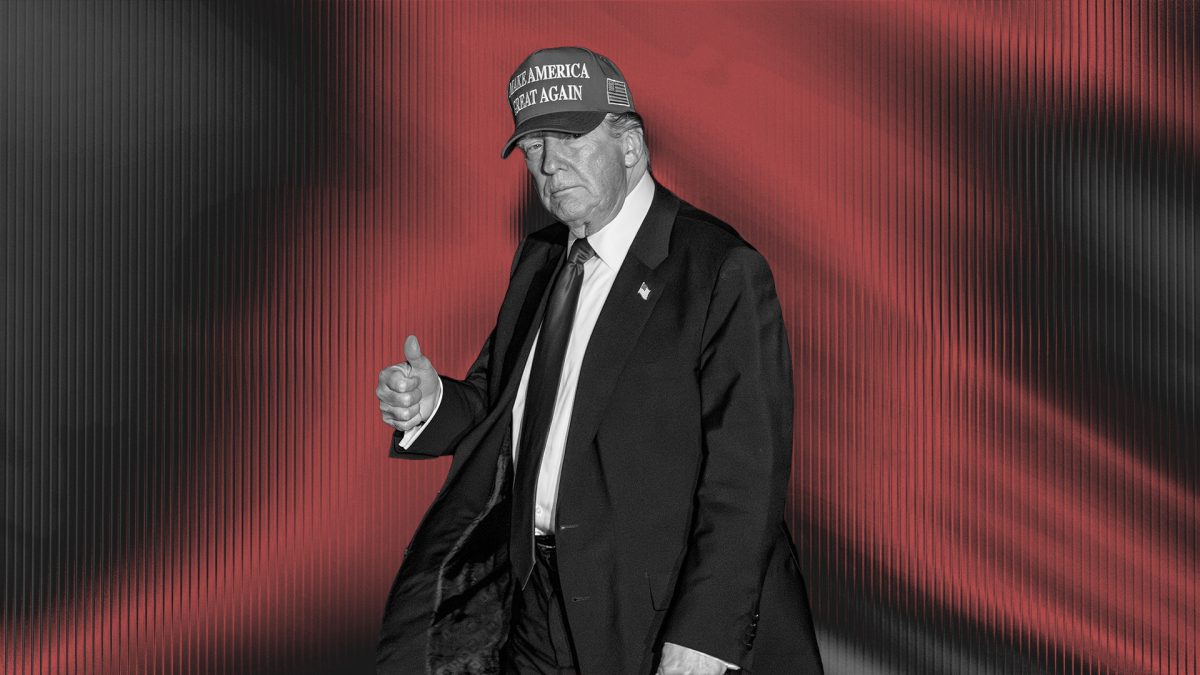
U.S. President Donald Trump signed a bill that would create a federal regulatory framework for stablecoins, marking the first significant crypto-related legislation to be signed into law.
On Friday afternoon, Trump signed the Guiding and Establishing National Innovation for U.S. Stablecoins, or GENIUS, as it's more commonly known, which Trump joked on Friday was named after him.
"This afternoon, we take a giant step to cement American dominance of global finance and crypto technology as we sign the landmark GENIUS Act into law," Trump said at the signing ceremony.
"They've come a long way since the Biden administration, when they had no idea what were you all talking about and half of you were under arrest for no reason," Trump added.
Trump called the signing a "massive validation" for the crypto industry.
The bill would create a federal regulatory framework for stablecoins, requiring stablecoins to be fully backed by U.S. dollars or similarly liquid assets, mandate annual audits for issuers with a market capitalization of more than $50 billion, and establish guidelines for foreign issuance.
GENIUS was passed out of the U.S. House of Representatives 308-122 on Thursday. The bill had already been passed in the Senate, thereby sending it to Trump's desk after passage in the House. The path to passing GENIUS, along with a larger crypto market structure bill and an anti-central bank digital currency bill, was met with some speed bumps as some Republicans bucked their colleagues and voted no in two procedural votes.
Trump also nodded to crypto executives in the room, including Tether CEO Paolo Ardoino and Coinbase CEO Brian Armstrong.
As of July 18, Tether's USDT made up $162 billion in total stablecoin supply, while Circle's USDC makes up about $63 billion, according to The Block's data dashboard.
Excitement bubbled on X among White House leads and crypto advocates ahead of the bill signing.
Jeremy Allaire, CEO of Circle, said he was on his way to the signing of GENIUS.
"En route to the @WhiteHouse for the historic signing of the GENIUS Act, one of the most transformative pieces of legislation in decades," Allaire said in a post on X. "Global financial system, welcome to the Internet!"
Anchorage Digital CEO Nathan McCauley said he was honored to be at the White House today.
"GENIUS is the first major digital asset legislation to clear Congress after years of public and private effort led to this bipartisan milestone," he said in a post on X. "Taking a moment to appreciate what it took to get here and excited for what is coming next."
Coinbase executives also said they were going to the signing on X, including Coinbase CEO Armstrong, Coinbase Chief Legal Officer Paul Grewal and Coinbase Chief Policy Officer Faryar Shirzad.
The White House's Bo Hines also posted about the bill signing.
"What’s crypto week without a little bit of volatility?" said Hines, executive director of the Presidential Council of Advisers for Digital Assets, in a post on X on Thursday. "Who’s ready for a bill signing tomorrow?"
Before GENIUS was passed on Thursday, some Democrats voiced concerns about Trump family-run World Liberty Financial USD, which is now one of the largest stablecoins in the world, according to Bankrate. Top Democrat of the House Financial Services Committee Maxine Waters called out the potential conflict of interest on Thursday and also relayed other concerns around foreign issuers.
"... it leaves the door open for foreign firms that present a major national security threat, including targets of sanctions, all to appease those in the Trump family’s inner circle, which has ties to those shady entities," Waters said in a statement.
Earlier this year, Trump signed a resolution to repeal a controversial crypto tax rule finalized toward the end of the Biden administration.
The rule set requirements for "custodial brokers" around collecting and reporting user data to the tax agency.
Disclaimer: The Block is an independent media outlet that delivers news, research, and data. As of November 2023, Foresight Ventures is a majority investor of The Block. Foresight Ventures invests in other companies in the crypto space. Crypto exchange Bitget is an anchor LP for Foresight Ventures. The Block continues to operate independently to deliver objective, impactful, and timely information about the crypto industry. Here are our current financial disclosures.
© 2025 The Block. All Rights Reserved. This article is provided for informational purposes only. It is not offered or intended to be used as legal, tax, investment, financial, or other advice.