US Supreme Court decides not to review privacy case over IRS request for Coinbase user data
Quick Take
- Over the past year, amicus briefs have been filed, including from Elon Musk’s company X, urging the Supreme Court to take up the case.
- The dispute dates back several years after the IRS demanded records from Coinbase from thousands of its customers.

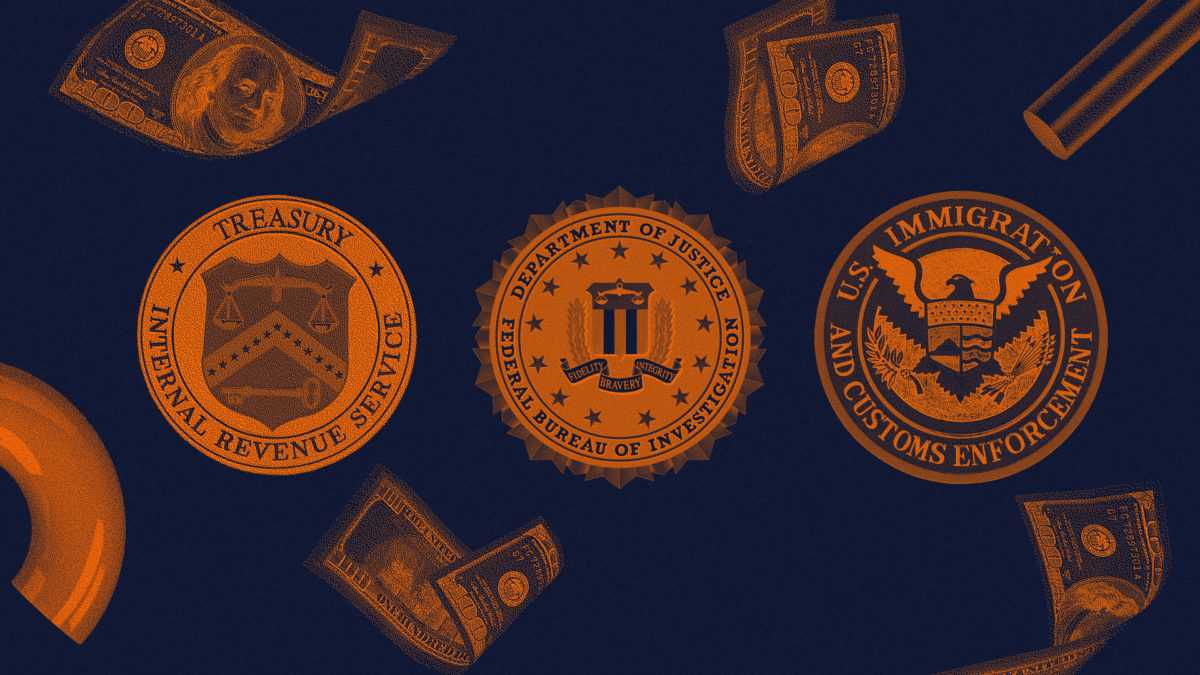
The U.S. Supreme Court has declined to review a high-profile case involving the Internal Revenue Service and its efforts to compel companies such as cryptocurrency exchange Coinbase to hand over users’ financial data.
In an order released on Monday, the court said that the "petition for a writ certiorari is denied." That petition is a request for a higher court to review a lower court's decision.
The dispute dates back several years after the IRS demanded records from Coinbase from thousands of its customers, including information involving security settings, transactions, and correspondence. The company pushed back, but a district court later said Coinbase had to comply and narrowed the IRS's search, according to the filing.
In 2020, petitioner James Harper, a Coinbase customer, filed a suit against the IRS for its role in the alleged unlawful seizure of information that identified him as a crypto holder.
Over the past year, amicus briefs have been filed, urging the Supreme Court to take up the case. In April, Elon Musk's social media platform X argued the IRS violated Harper's Fourth Amendment rights "when it obtained a vast quantity of Coinbase records by means of a dragnet subpoena devoid of individualized suspicion."
Later, Coinbase filed a brief and said the Supreme Court should clarify the third-party doctrine, which says that people who give information to third parties, such as banks, should not have an expectation of privacy.
Coinbase Chief Legal Officer Paul Grewal said in late April that the IRS had gone too far.
"We believe in tax compliance, but this goes far beyond a narrow and tailored request and far beyond crypto," Grewal said at the time in a post on X. "This applies to banks, phone companies, ISPs, email, you name it. As we explain here, you should have the same right to privacy for your inbox or account as you have for a letter in your mailbox."
Disclaimer: The Block is an independent media outlet that delivers news, research, and data. As of November 2023, Foresight Ventures is a majority investor of The Block. Foresight Ventures invests in other companies in the crypto space. Crypto exchange Bitget is an anchor LP for Foresight Ventures. The Block continues to operate independently to deliver objective, impactful, and timely information about the crypto industry. Here are our current financial disclosures.
© 2025 The Block. All Rights Reserved. This article is provided for informational purposes only. It is not offered or intended to be used as legal, tax, investment, financial, or other advice.