Terra Classic is not a security, Korean court rules
Quick Take
- Terra Classic (LUNC) is not a security, according to a recent Korean court ruling.
- South Korean prosecutors have now requested a judgment from Korea’s Supreme Court.
- The U.S. SEC earlier this year called LUNC a security.

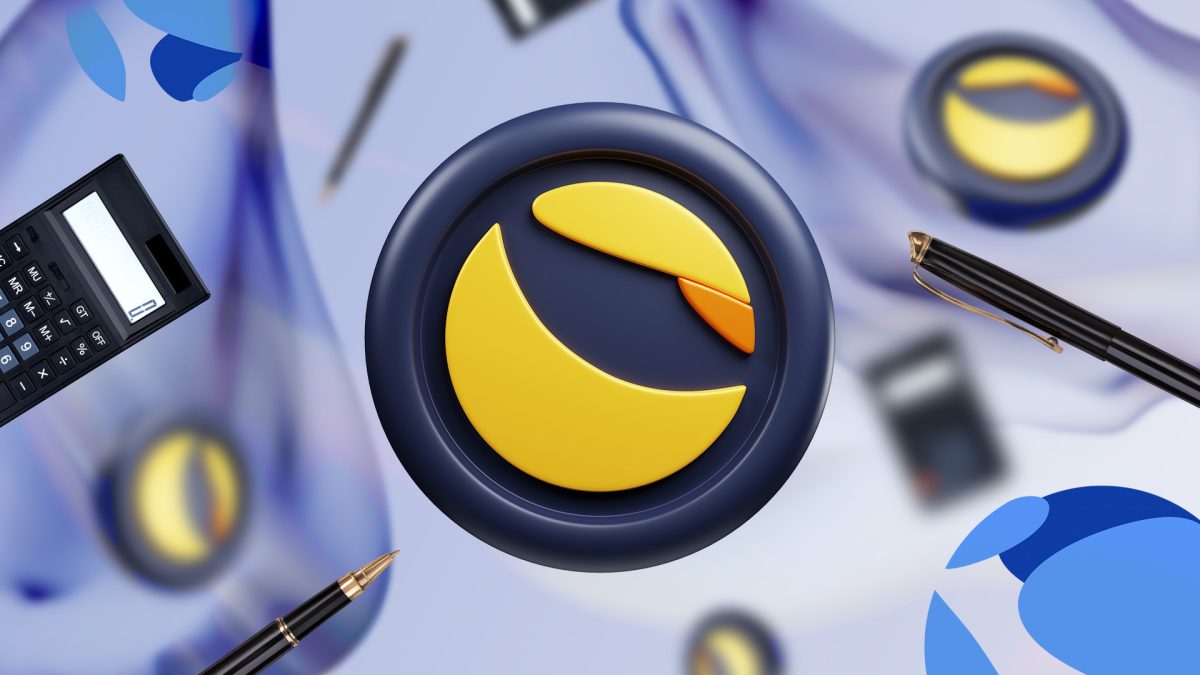
Terra Classic (LUNC), the renamed native token of the Terra blockchain that dramatically imploded last year, is not a security, a Korean court has ruled.
"It is difficult to see LUNC as a financial investment product regulated by The Capital Markets Act," the Seoul Southern District Court ruled again on Feb. 16, according to a report from local news outlet Ilyo Shinmun today. The court had earlier ruled it on Nov. 15, but both rulings have been only revealed today by the news outlet.
The latest ruling is the first time the court has categorically expressed LUNC is not a security as opposed to its previous expressions, such as "there is room for dispute in terms of the law" and "it is questionable whether the Capital Market Act can be applied," per the report.
Terra asset seizure
Given the latest ruling, South Korean prosecutors cannot seize Terraform Labs co-founder Shin Hyun-Seung's (aka Daniel Shin's) assets as the court rejected their request, according to the report.
In November, prosecutors reportedly requested to seize more than $100 million worth of assets belonging to Shin for his role in the collapse of the Terra ecosystem. The court has now rejected the request for confiscation reportedly because the assets must be returned to victims of the Terra collapse and not to the national treasury.
Still, prosecutors have now requested the Supreme Court of Korea for a judgment, first on March 20 and then on Apr. 14, but the court has yet to announce its decision.
Terra collapse
The Terra ecosystem — comprising LUNC (then known as LUNA) and the TerraUSD (UST) stablecoin imploded last May as UST lost its 1:1 peg against the U.S. dollar, wiping out around $40 billion in investor wealth. The Terra collapse also pushed several crypto firms toward insolvency, including Three Arrows Capital and Vauld.
The Korean court's judgment that LUNC is not a security is different from that of U.S. regulators. Earlier this year, the U.S. Securities and Exchange Commission (SEC) sued Terraform Labs, the company behind the failed Terra tokens, and its co-founder, Do Kwon. The SEC at the time called LUNC a crypto asset security.
Separately, lawyers for Kwon have requested a U.S. court to dismiss charges brought against him by the SEC partly for lack of jurisdiction, court filings from Friday show. Kwon was recently arrested in Montenegro for attempting to travel with falsified documents and last week was officially charged with a fake passport charge in Montenegro.
© 2025 The Block. All Rights Reserved. This article is provided for informational purposes only. It is not offered or intended to be used as legal, tax, investment, financial, or other advice.